CHEORWON
PRIVATE JOURNEY NO. 03
"Some landscapes reveal themselves slowly. Others simply stand still, demanding to be observed."
Cheorwon exists between boundaries.
Between lava and river.
Between memory and landscape.
Between stillness and history.
어떤 풍경은 천천히 자신을 드러내고, 어떤 풍경은 그저 묵묵히 서서 관찰되기를 기다립니다.
73 Meters Below
The Second Infiltration Tunnel — the air shifts as you descend. Seventy-three meters below the earth's surface, the temperature drops and the scent of damp granite fills the narrow passage.
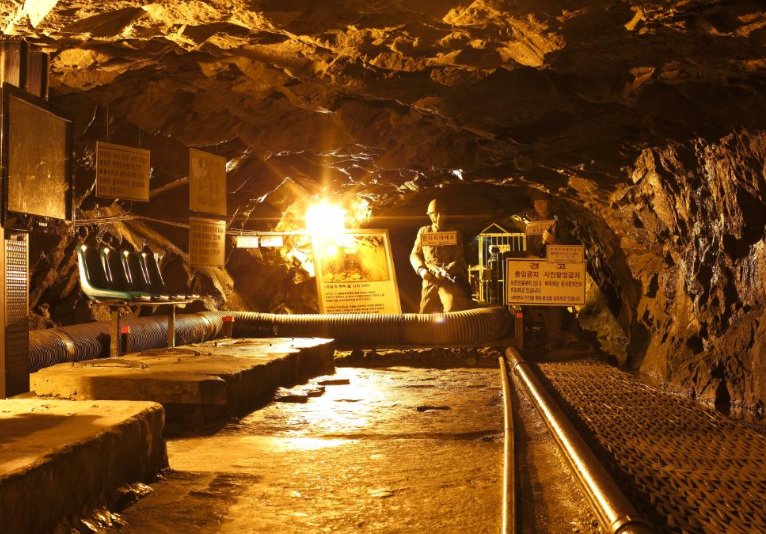
Built beneath the border during the Cold War, this tunnel remains one of the peninsula's quietest reminders of division. There are no grand monuments here — only the rough texture of blasted rock and the profound silence of a fractured peninsula.
Ruins in the Plain
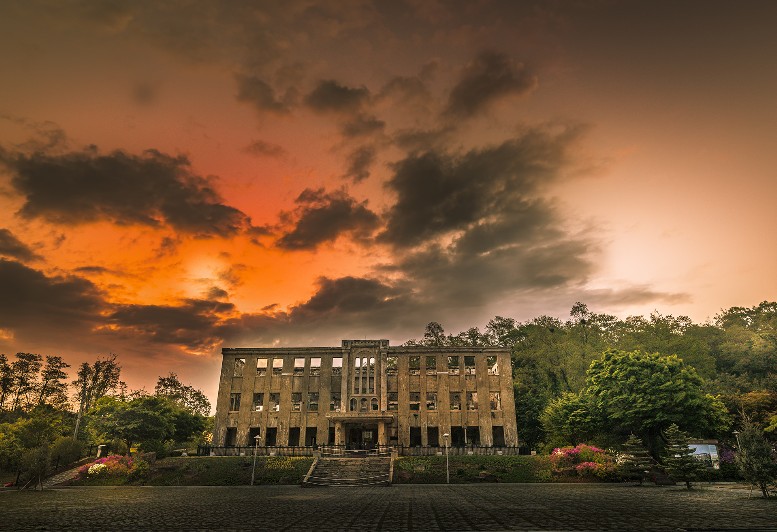
The former headquarters of the Workers' Party stands in quiet isolation across the Cheorwon plain. Its concrete skin is deeply scarred by artillery, an architectural skeleton left to weather the seasons.
Baengmagoji
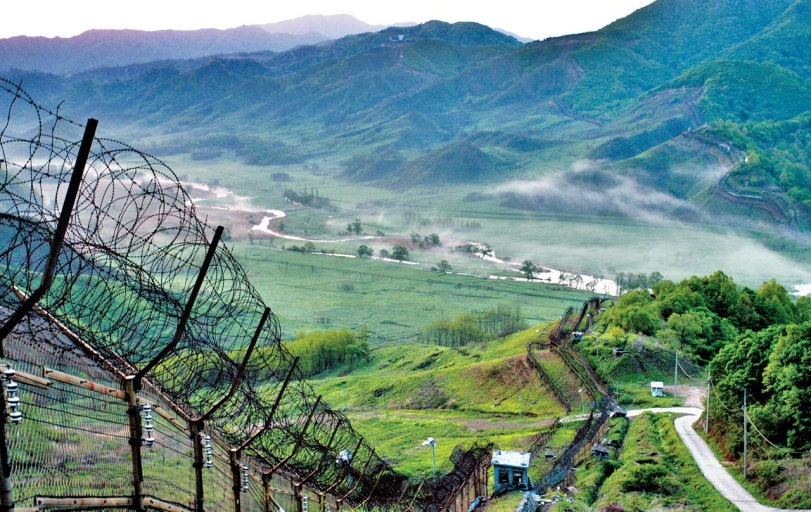
The plains of Cheorwon stretch out quietly under the open sky. Baengmagoji — the ridge known as White Horse Hill — was continuously reshaped by the sheer weight of history and conflict.
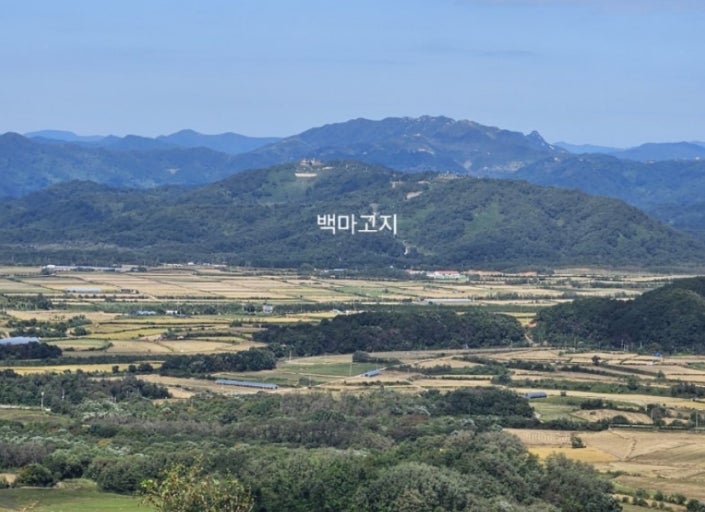
Today, the earth has healed, covered entirely in a blanket of wild grass. The wind blowing through the reeds says enough.
Sensory Notes
A striking duality exists in Cheorwon. The unseen tension of the Demilitarized Zone is blanketed by the overwhelming calmness of the vast agricultural plains. A silence with weight.
Stone Formed by Fire
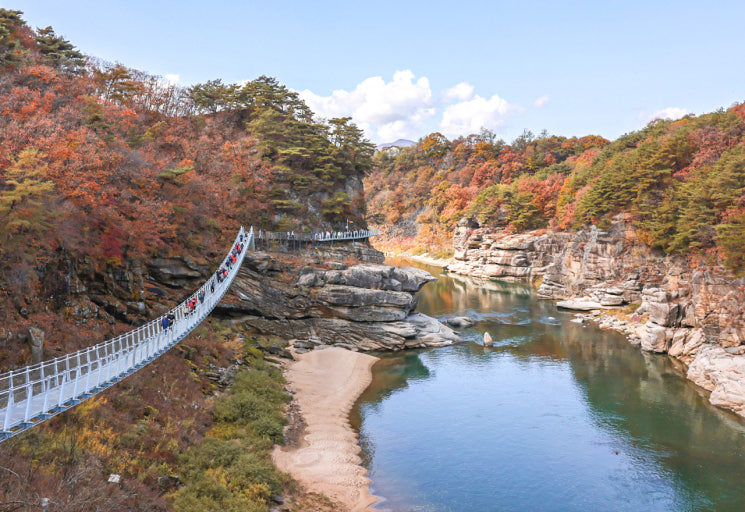
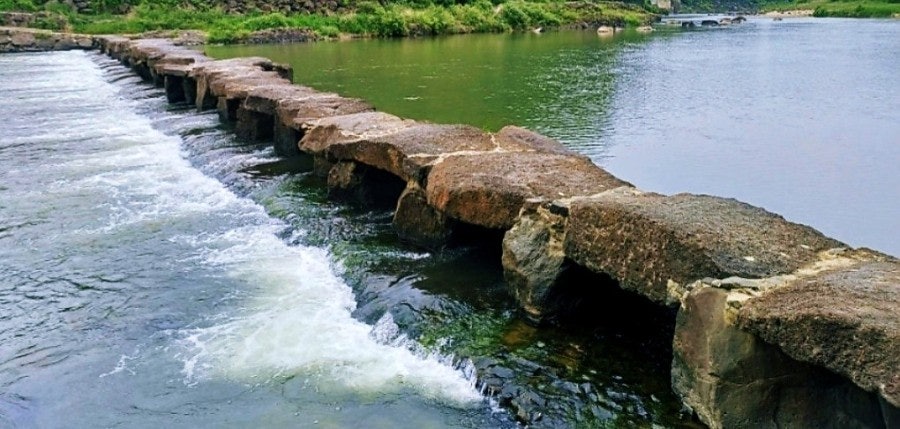
Unlike the granite mountains of the south, the earth here is porous and dark. The Hantangang River carved through ancient lava flows, leaving behind sharp, hexagonal columns of stone.
The Architecture of Lava
The trail follows ancient lava flows carved open by the Hantangang River.
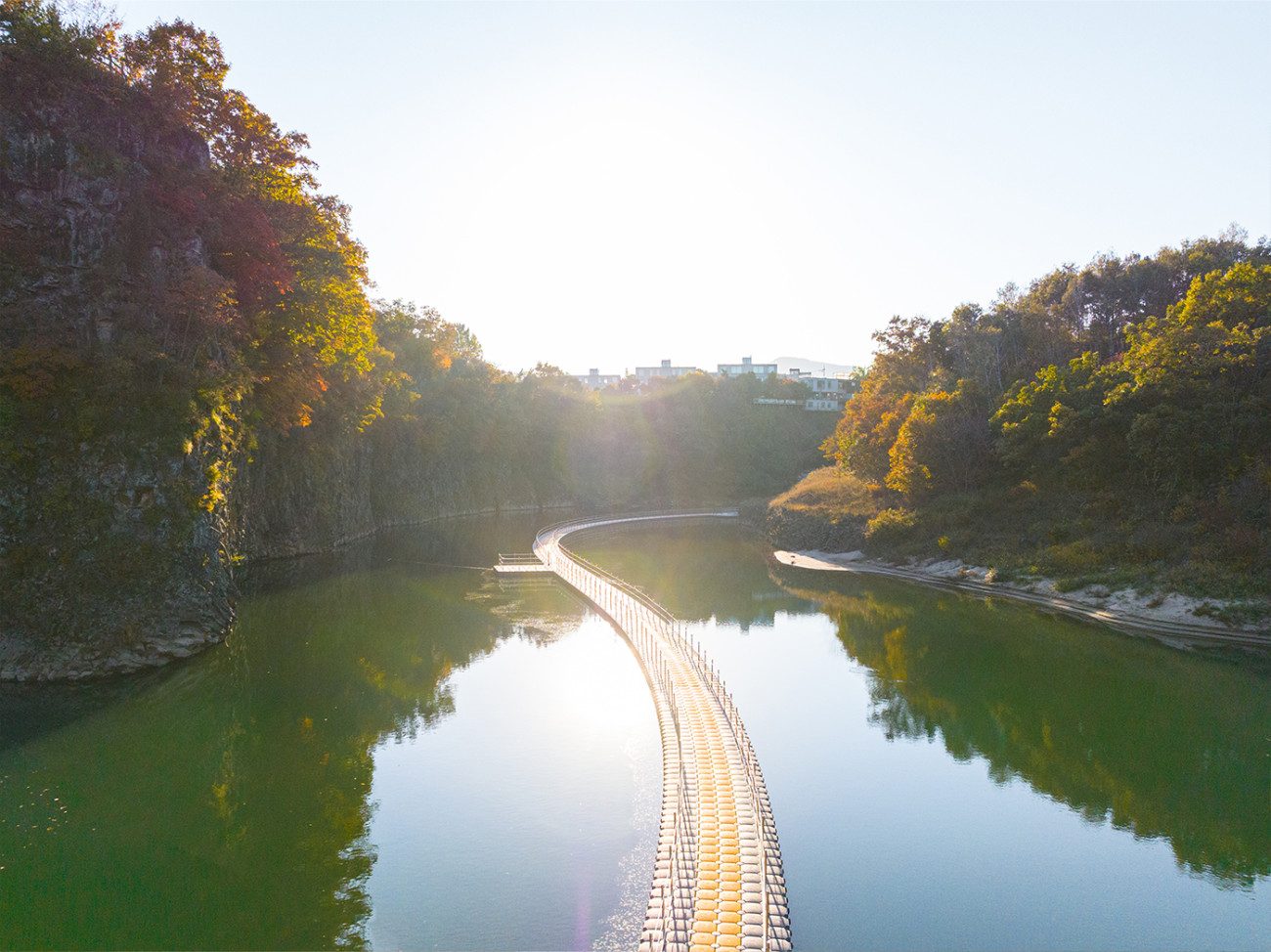
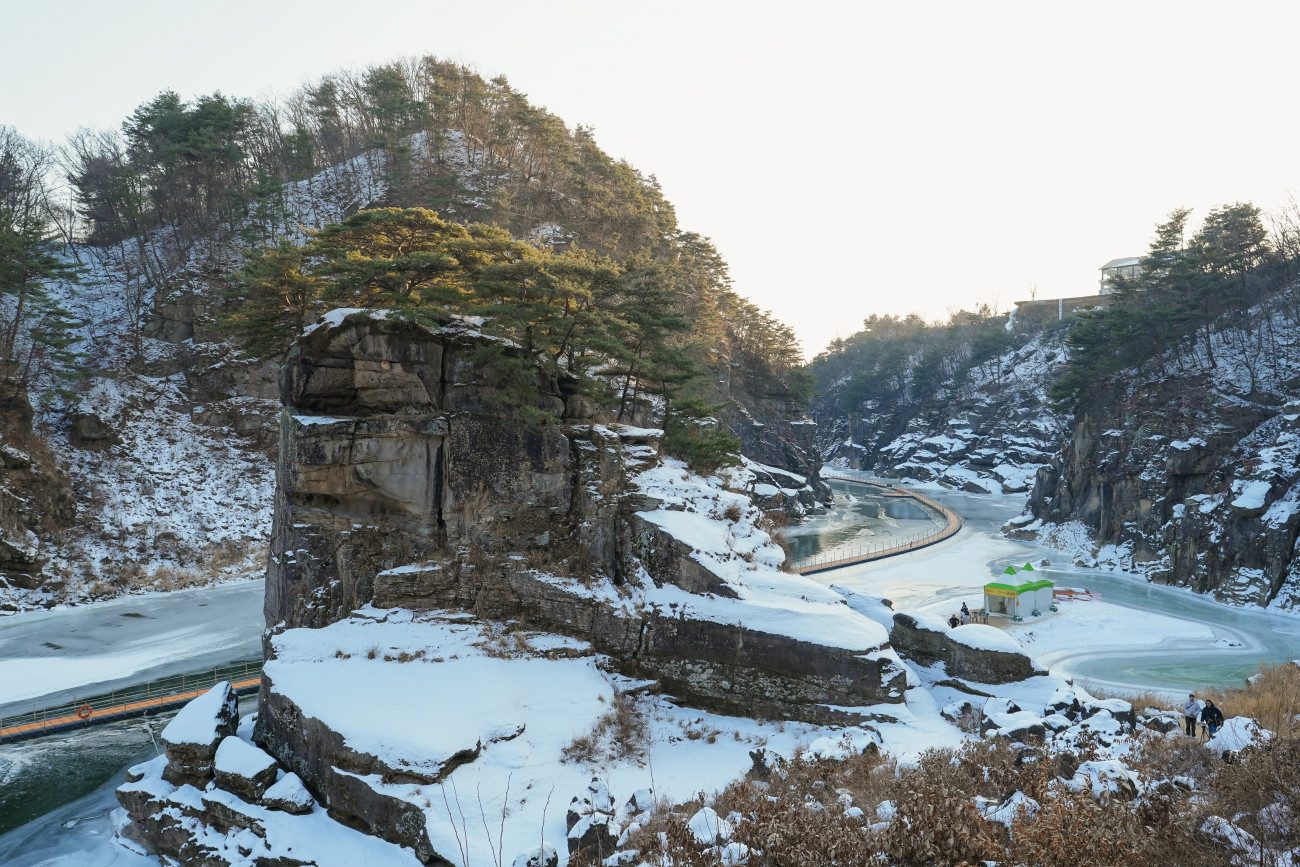
Along the river, hexagonal basalt walls rise like architecture designed by geology itself. The path is not merely a scenic trail; it is a quiet progression through time.
The Rhythm of the River
Suspended over the gorge, the sound of moving water echoes against the dark rock walls. Notice the damp, porous stone and the moss clinging to the cliffs. As you walk, your pace naturally slows down to match the ancient, unhurried rhythm of the river below.
The Grain of the Borderland
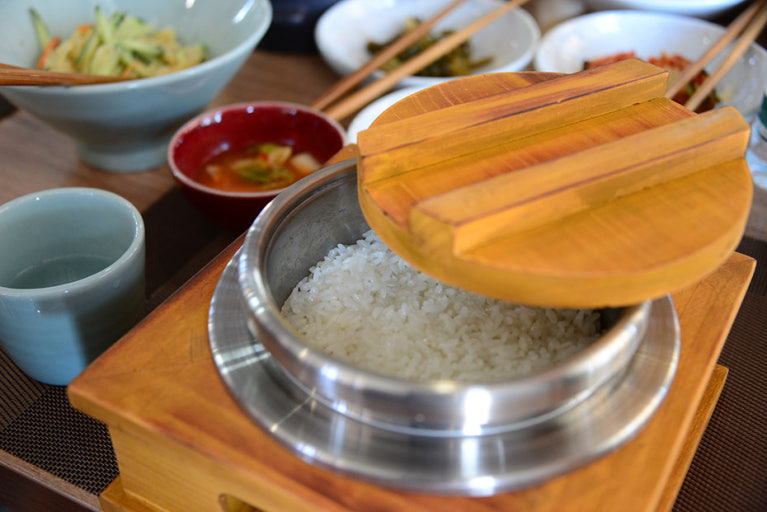
Cheorwon Odae Rice
Grown in the mineral-rich basalt soil and nurtured by extreme temperature drops. There is a distinct, unyielding texture to this rice — a firmness that speaks of the land itself. It is the most honest nourishment you can find.
The Luxury of the Pause
After the long walk, the body naturally craves stillness. A quiet corner to rest, feeling the deep contrast between the cold memory of the basalt and the warmth slowly returning to your hands.
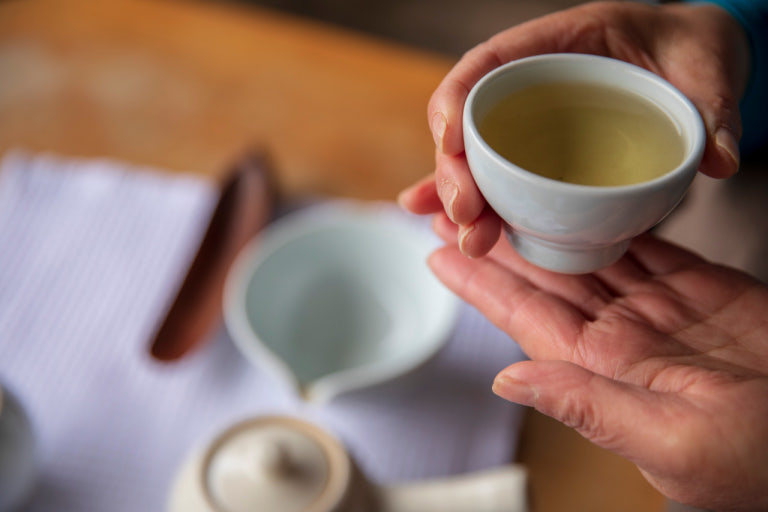
End the day with tea overlooking the basalt gorge. This is the true luxury we seek — the space to let the landscape linger in the mind.
Presented to
Journey completed on
NOTES FROM THE JOURNEY
Use this space to reflect on your journey.
Sometimes it is about feeling more.
OFF MAP KOREA
• Quiet trails • Hidden islands • Slow moments
WhatsApp +82 10-2931-1313
Instagram @offmapkorea
www.offmapkorea.com
© 2026 OFF MAP KOREA. ALL RIGHTS RESERVED.