ULLEUNG
DO
The last island before the horizon.
PRIVATE JOURNEY NO. 04
SIXTEEN QUIET PAGES
"Some islands ask for the effort of getting there."
There is no bridge to Ulleungdo. No highway. No shortcut.
The island only receives those who choose to cross for it.
울릉도는 다리도 고속도로도 지름길도 없는 섬입니다. 오직 건너오기를 선택한 이들만이 이 섬에 닿습니다.
"No rush. No crowds. Just the journey."
Three Hours East
The ferry leaves the mainland before the light is fully awake. Pohang or Gangneung — either way, the horizon empties within twenty minutes. The country you know disappears.
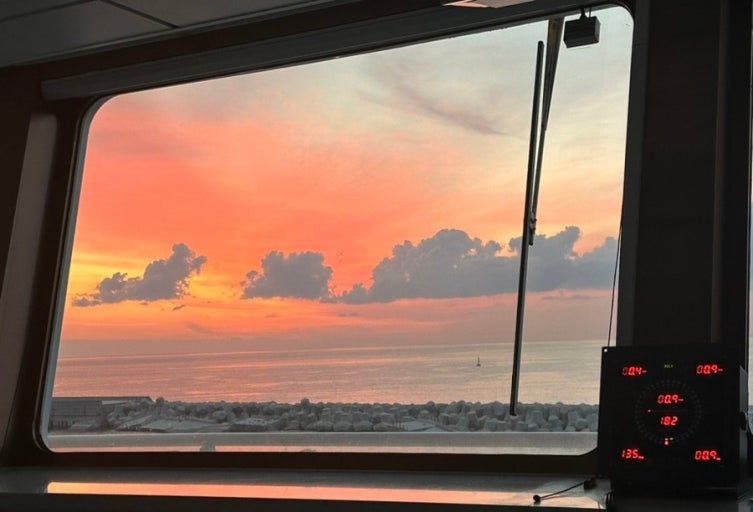
Field Notes · Crossing
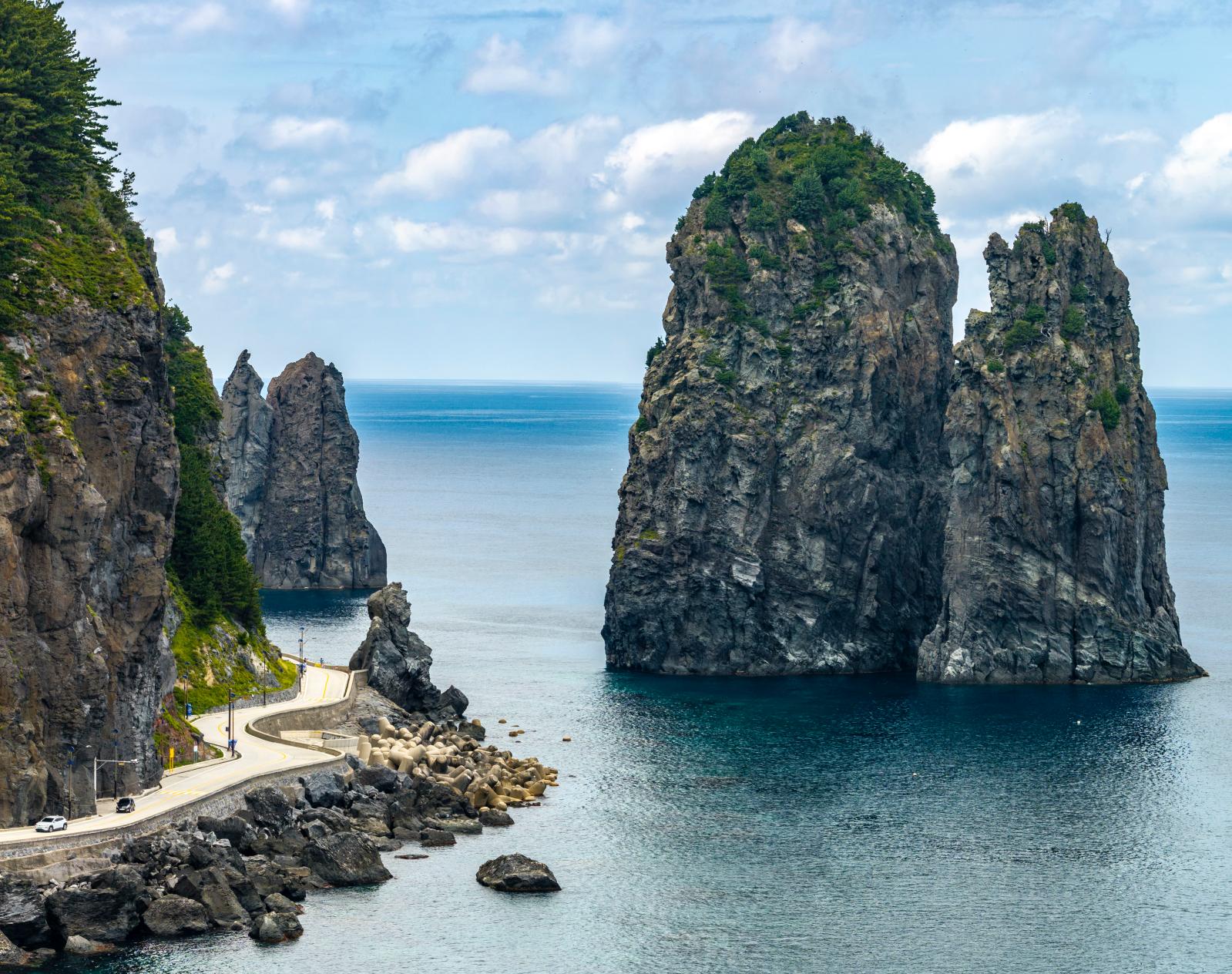
When land finally rises again, it rises steep and dark — cliffs of black basalt. Ulleungdo does not welcome. It declares itself.
Born from the Sea
The island is an underwater volcano, pushed up nearly 2.5 million years ago and never smoothed by time. Its coast is a wall of hardened lava — porous, sharp, still remembering fire.
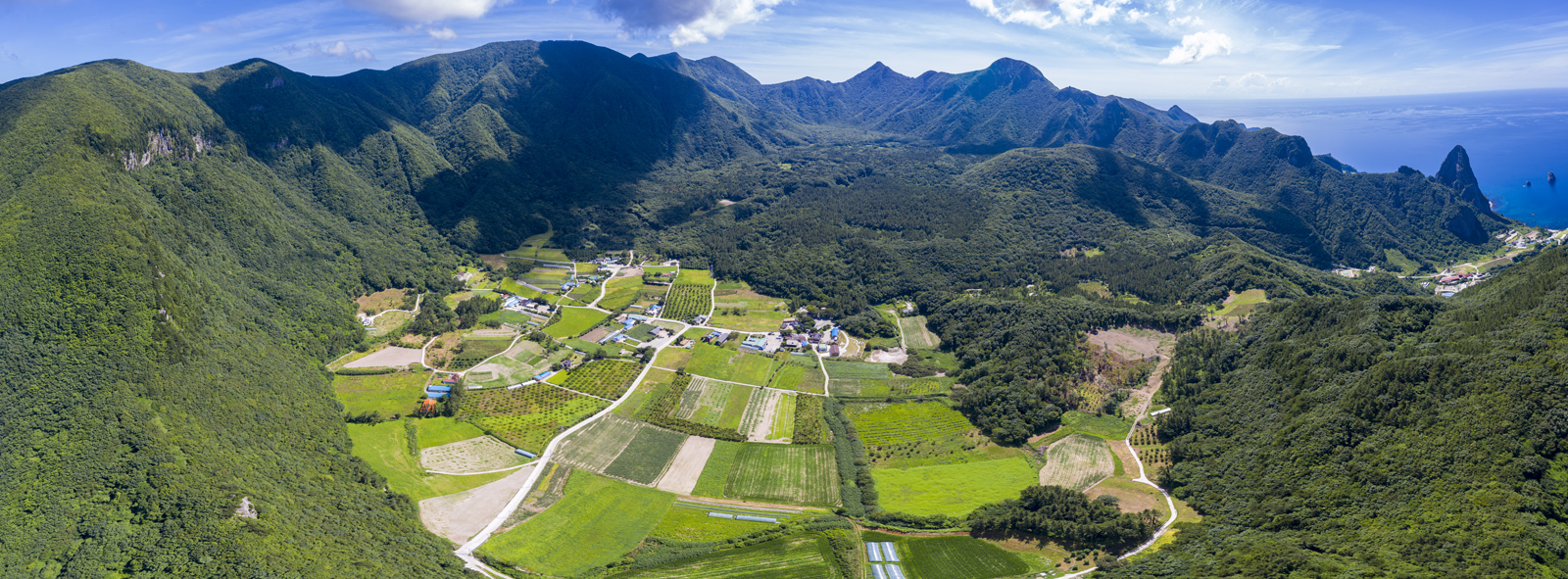
Inside the Volcano
Deep in the island's interior, the land flattens without warning. This is Nari Basin — the caldera of an ancient crater, now a quiet plateau of farmland and wild garlic fields ringed by dark ridges.
984 Meters, Then Ocean
Seonginbong — "the peak of the sages" — is the highest point on Ulleungdo. The trail climbs steadily through primeval forest until the summit opens to every direction of the sea.
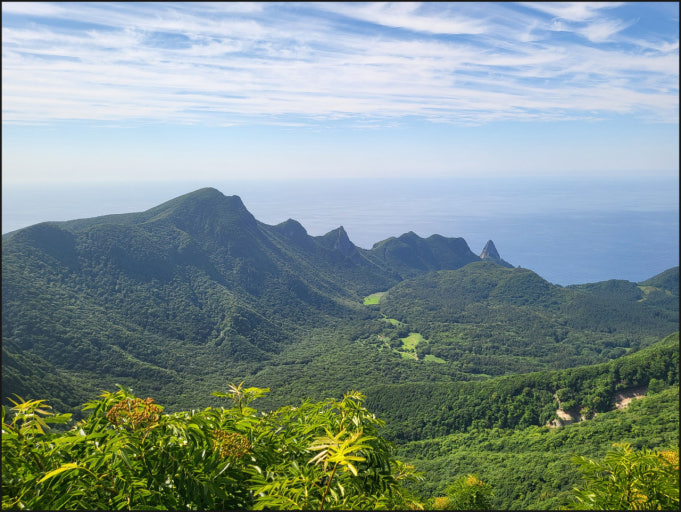
Trail Essentials · Seonginbong
The Sound of a Sea Island
Ulleungdo is loud in a way that mainland Korea is not. Wind against basalt. Waves against the cliffs at Namyang. Silence here has a texture.
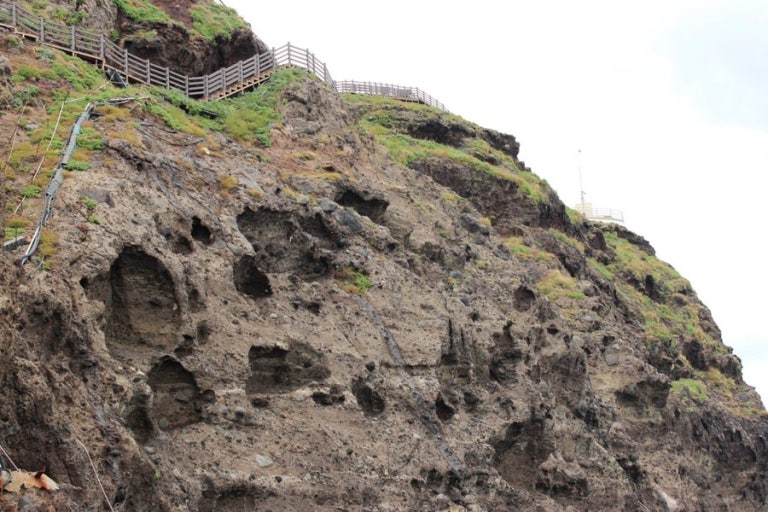
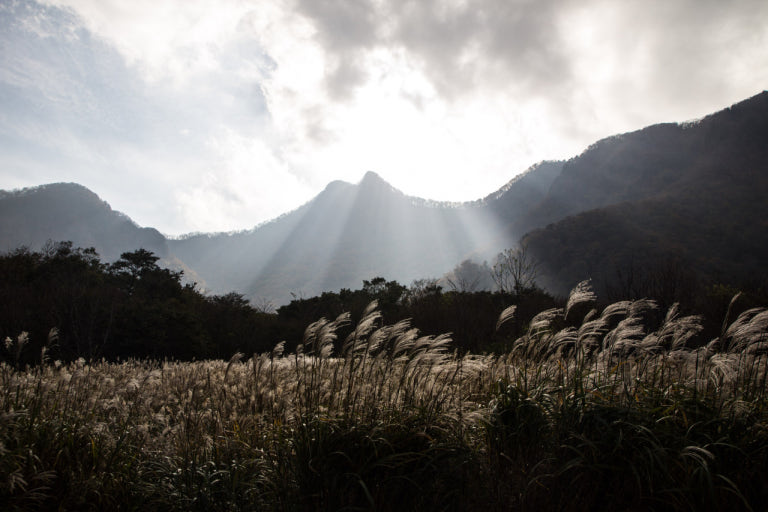
Field Notes · The Coast at Namyang
Where the Path Meets the Sea
The Haengnam Coastal Trail begins near Dodong Harbor and follows the eastern cliffs above the water. Wooden walkways bolt directly into the volcanic rock; below, the sea churns green and unhurried.
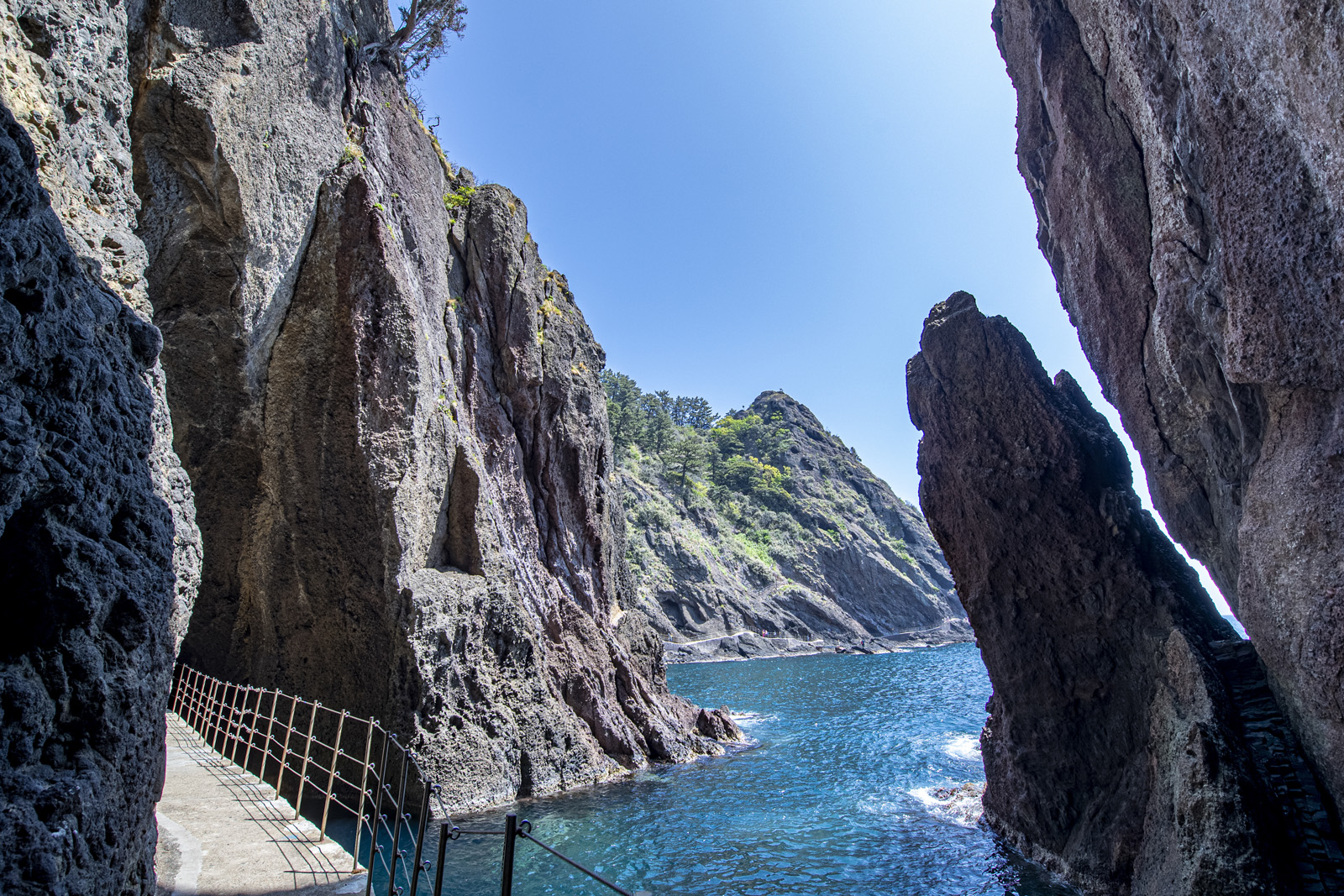
Trail Essentials · Haengnam Coastal
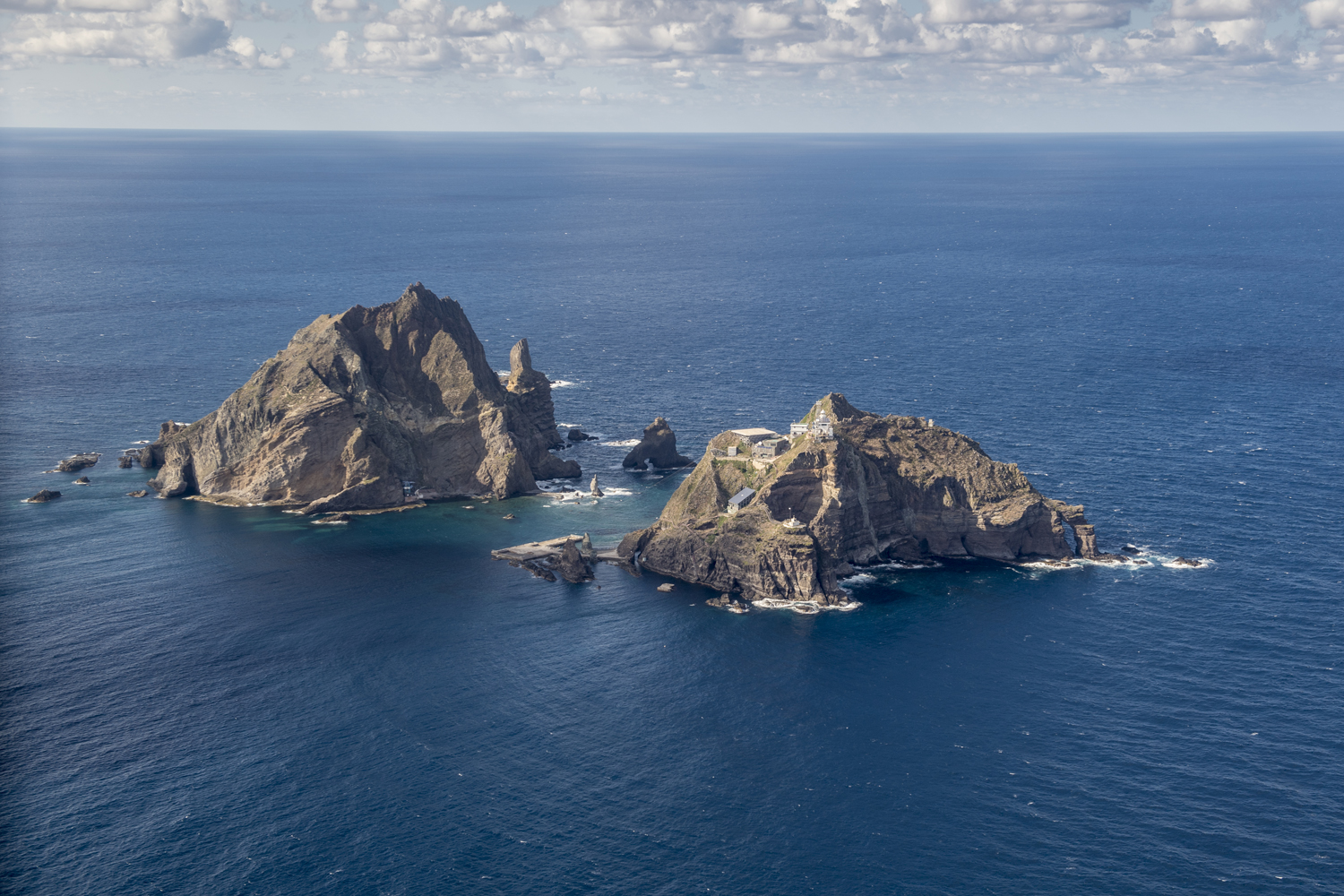
On Clear Days, Dokdo
The horizon east of Ulleungdo is not empty. Eighty-seven kilometres away, two small islands rise from the sea. But when the sky clears, Dokdo appears, faint and dark, and every conversation on the observation deck stops for a moment.
Where the Water Falls Twice
Bongnae Falls drops in three stages down the northern slope, cutting through porous rock that keeps the surrounding air ten degrees cooler even in high summer.
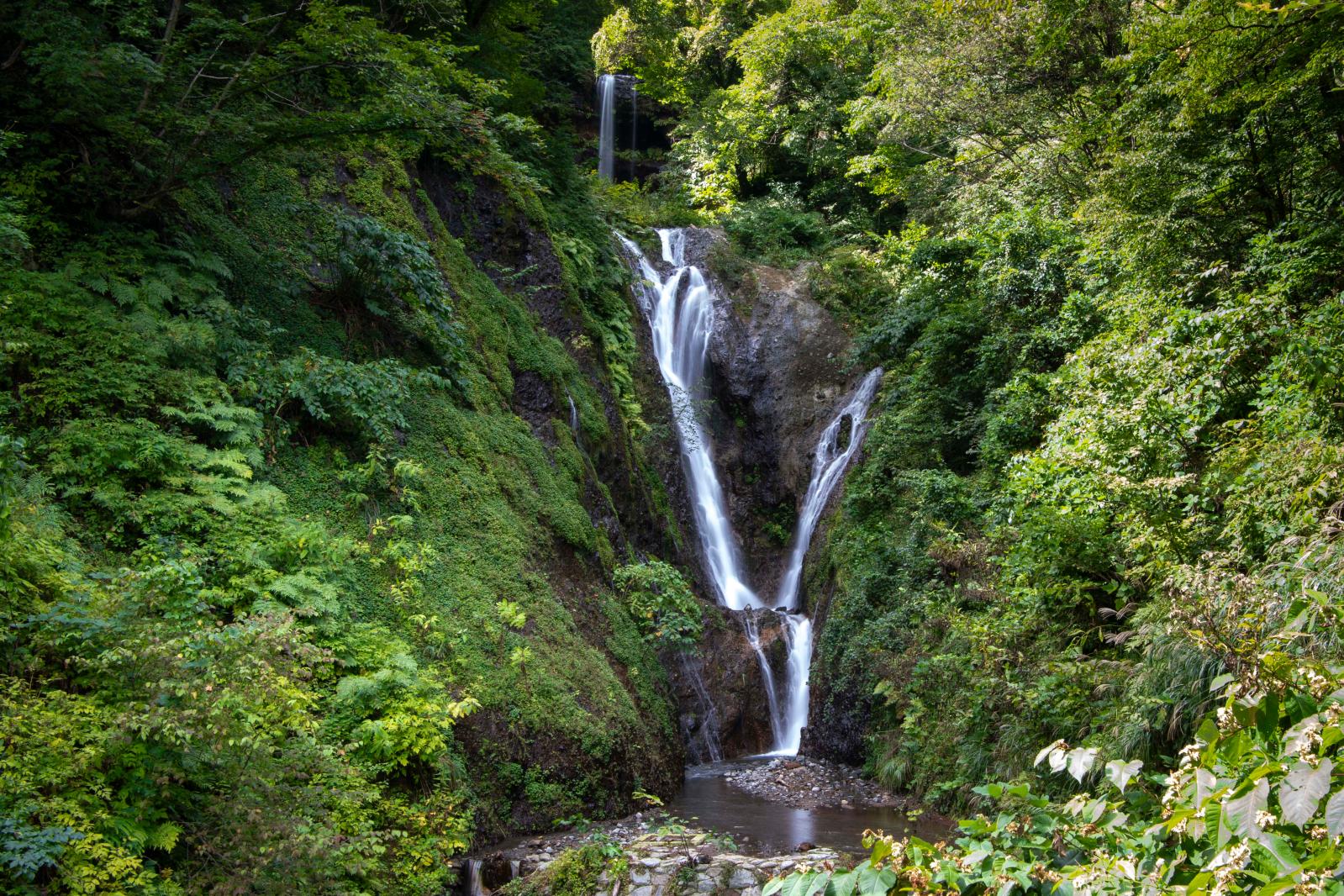
Field Notes · Bongnae Slope
Dodong · Jeodong
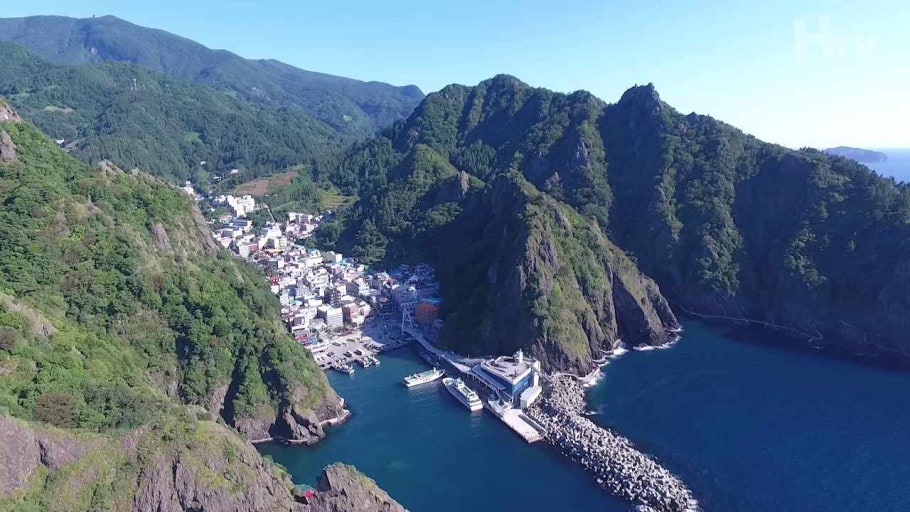
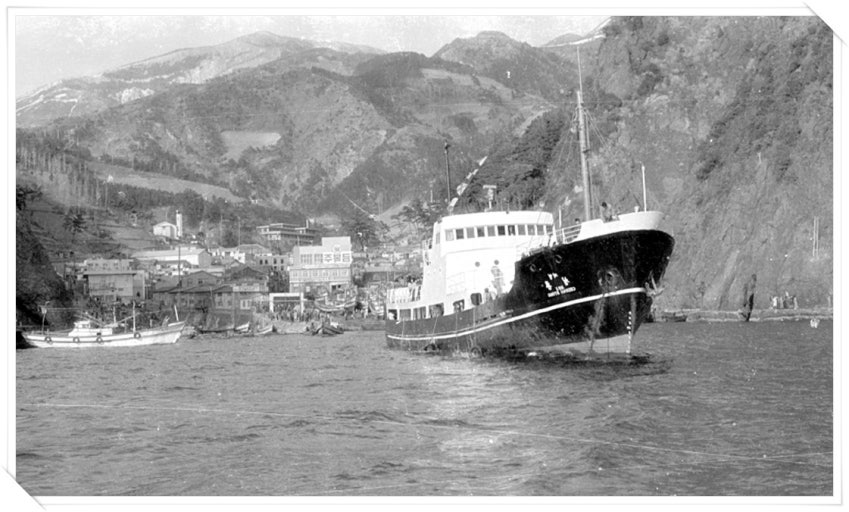
Ulleungdo has two working ports on its eastern coast. Dodong is where the ferries dock — busier, brighter. Jeodong is quieter — squid-drying racks, boats sleeping side-by-side.
Ojingeo — The Everyday Catch
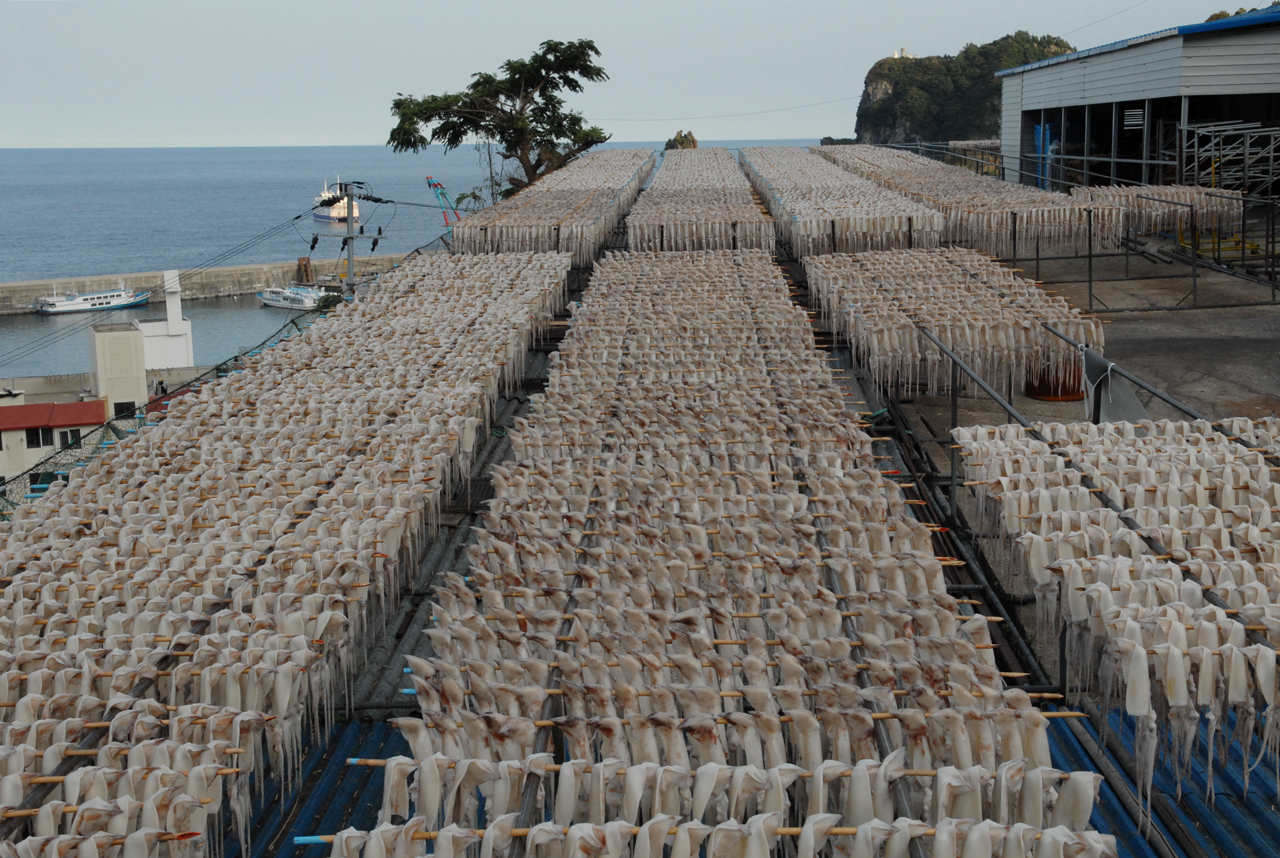
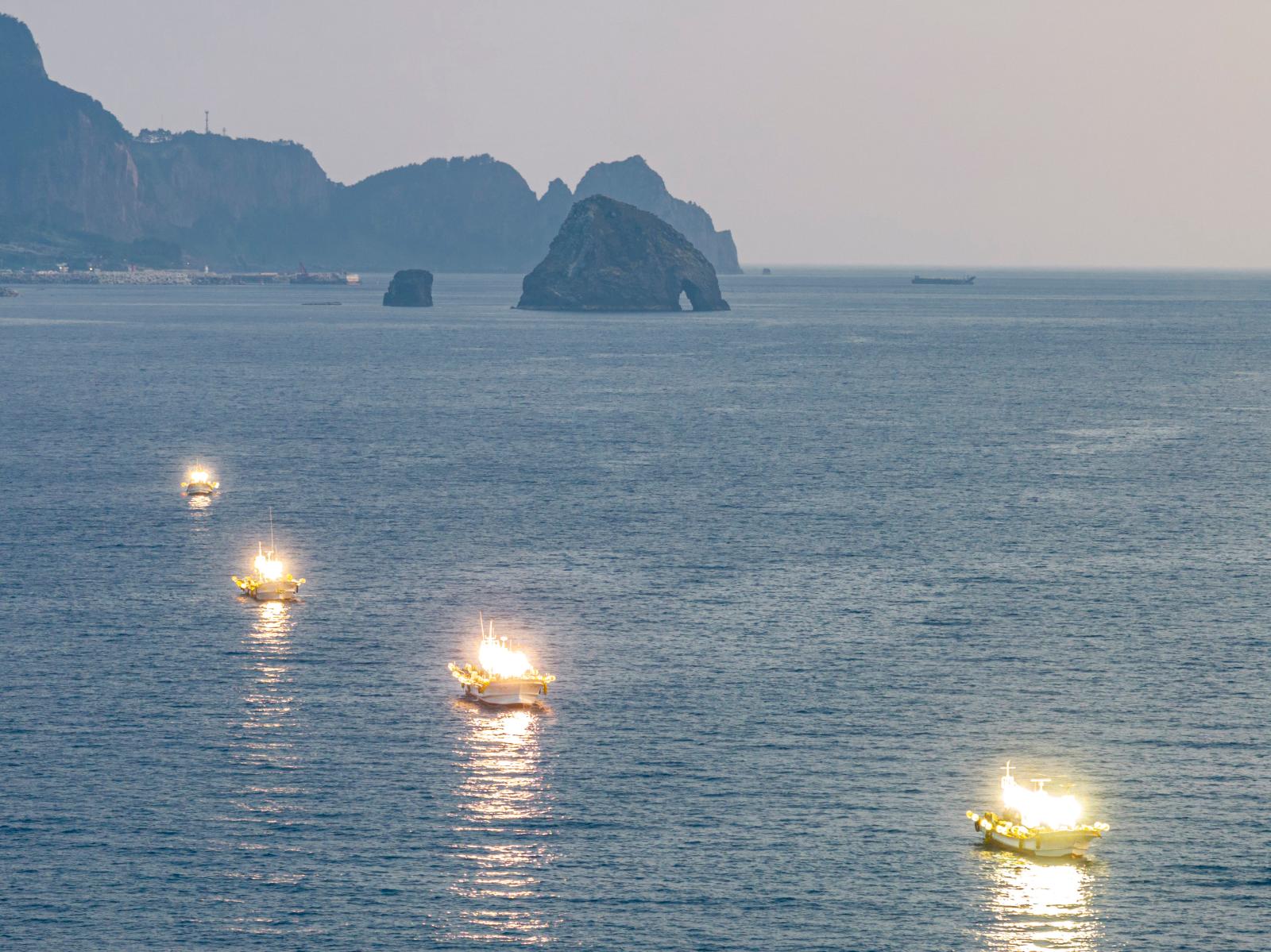
The squid off Ulleungdo's coast is caught at night under bright lamps — you can see the fleet burning like small cities on the horizon.
The Mountain Table
Inside Nari Basin, wild greens grow that appear on almost no mainland table. Myeongi — Korean native garlic leaves — is the island's quiet signature. Locals pickle it in soy sauce.
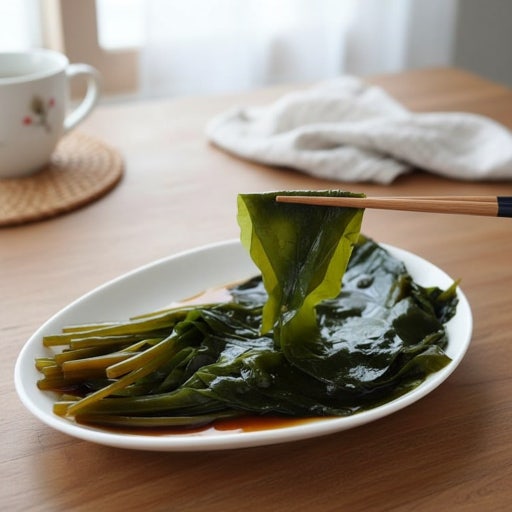
Field Notes · Nari Table
Ask for it. Eat it slowly. This is what Ulleungdo tastes like when you take the mainland out of the equation.
The Luxury of Waiting
At the harbor, the return ferry does not leave when you decide. It leaves when the wind allows. On calm mornings — early. On rough ones — hours late, or not at all.
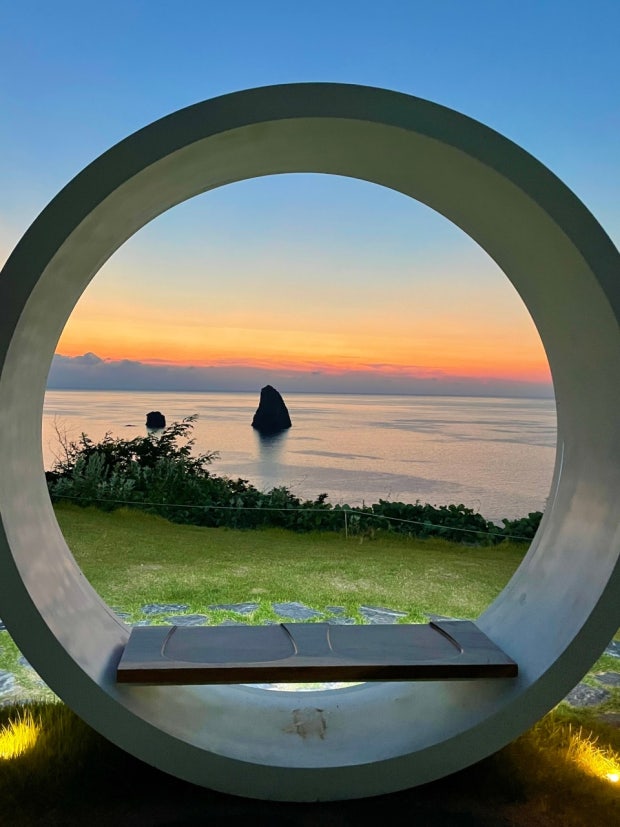
This waiting is not a delay. It is the island reminding you that it operates on its own weather, its own tide, its own slow rhythm.
"You did not miss the ferry.
The island simply kept you for another hour."
Presented to
Journey completed on
NOTES FROM THE JOURNEY
Use this space to reflect on your journey.
Sometimes it is about feeling more.
OFF MAP KOREA
• Quiet trails • Hidden islands • Slow moments
WhatsApp +82 10-2931-1313
Instagram @offmapkorea
www.offmapkorea.com
The ferry will take you back. The island won't.
© 2026 OFF MAP KOREA