All Issues
09 Published · Ongoing Series
Gogunsan
Sixteen islands, connected by bridges
A 4-km walk between three of the archipelago's most visible islands, ending at Daejangbong Peak. Salt air, clam noodles, and the almost-silence of a shallow sea. Read at your own pace.
Read Issue 01 →
Mindungsan
The bare crown of Jeongseon · 1,119 m
A 3-hour walk across the "Bald Mountain" — silver plumes, sinkhole karst valleys, and a wooden-pot rice steamed with mountain thistle. Read at your own pace.
Read Issue 02 →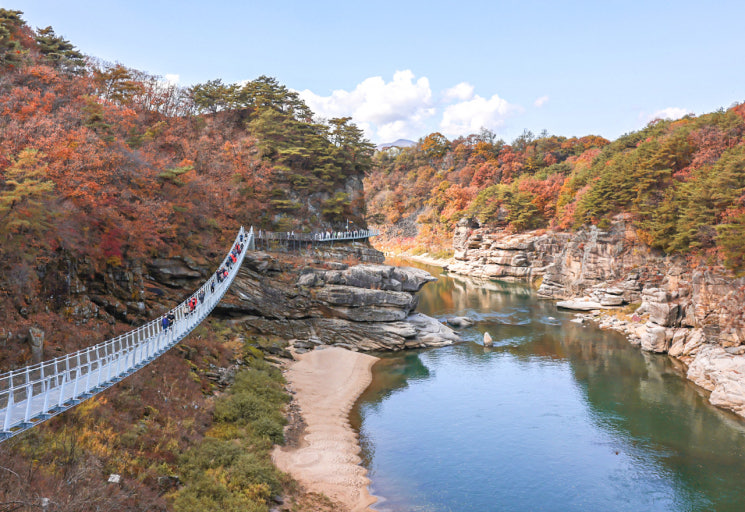
Cheorwon
The Second Tunnel · The columnar cliffs
Where the border kept its secrets and the Hantangang river carved them into stone. A walk between DMZ history and million-year-old basalt. Read at your own pace.
Read Issue 03 →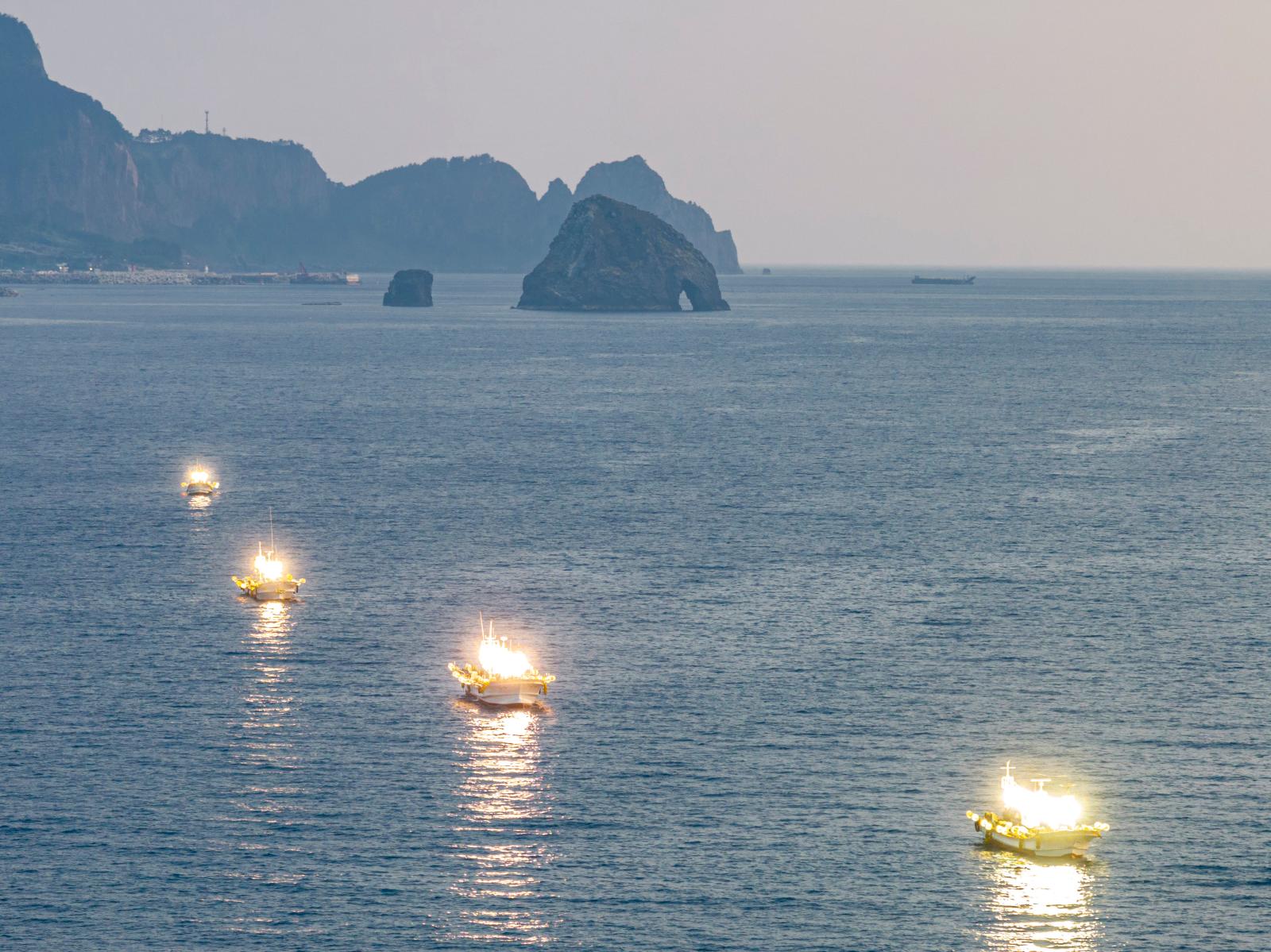
Ulleungdo
The last island before the horizon
Three hours east of the mainland, a volcanic island that keeps its own weather. Sixteen quiet pages — with local voices, field notes, and the ferry that only leaves when the wind allows.
Read Issue 04 →
Deogyusan
The country's cool room
While Seoul melts into humid mid-thirties, Deogyusan stays ten degrees cooler. Eighteen pages on Korea's inland highlands — emerald pools at Inwoldam, a Silla-era temple at Baengnyeonsa, and the last fireflies of September.
Read Issue 05 →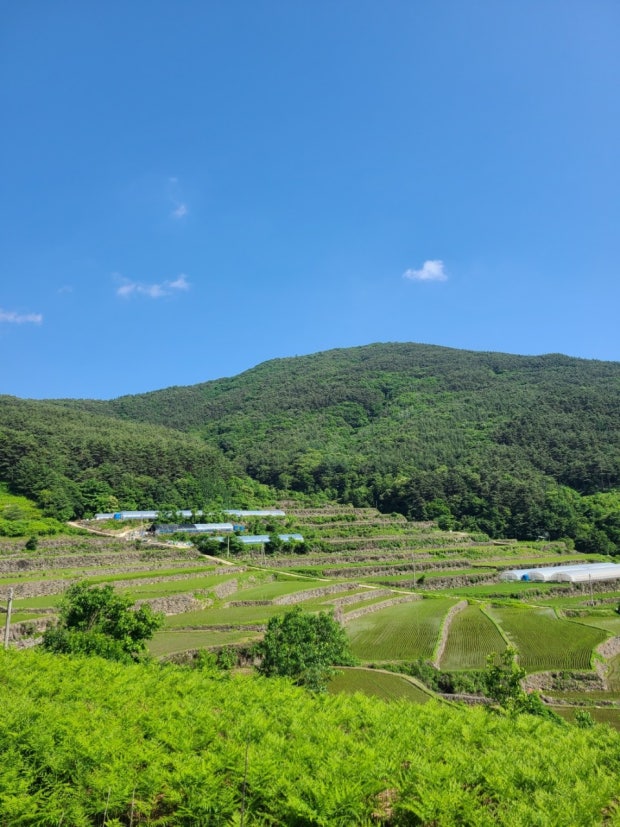
Jirisan Dulle-gil
Not the summit. The circle around it.
Approximately 300 km, 22 sections, five counties. This issue walks the Namwon stretch — Sections 01–03 — where the trail passes through rice paddies, hanok villages, and a 600-year zelkova tree. A summer study of Korea's oldest village trail.
Read Issue 06 →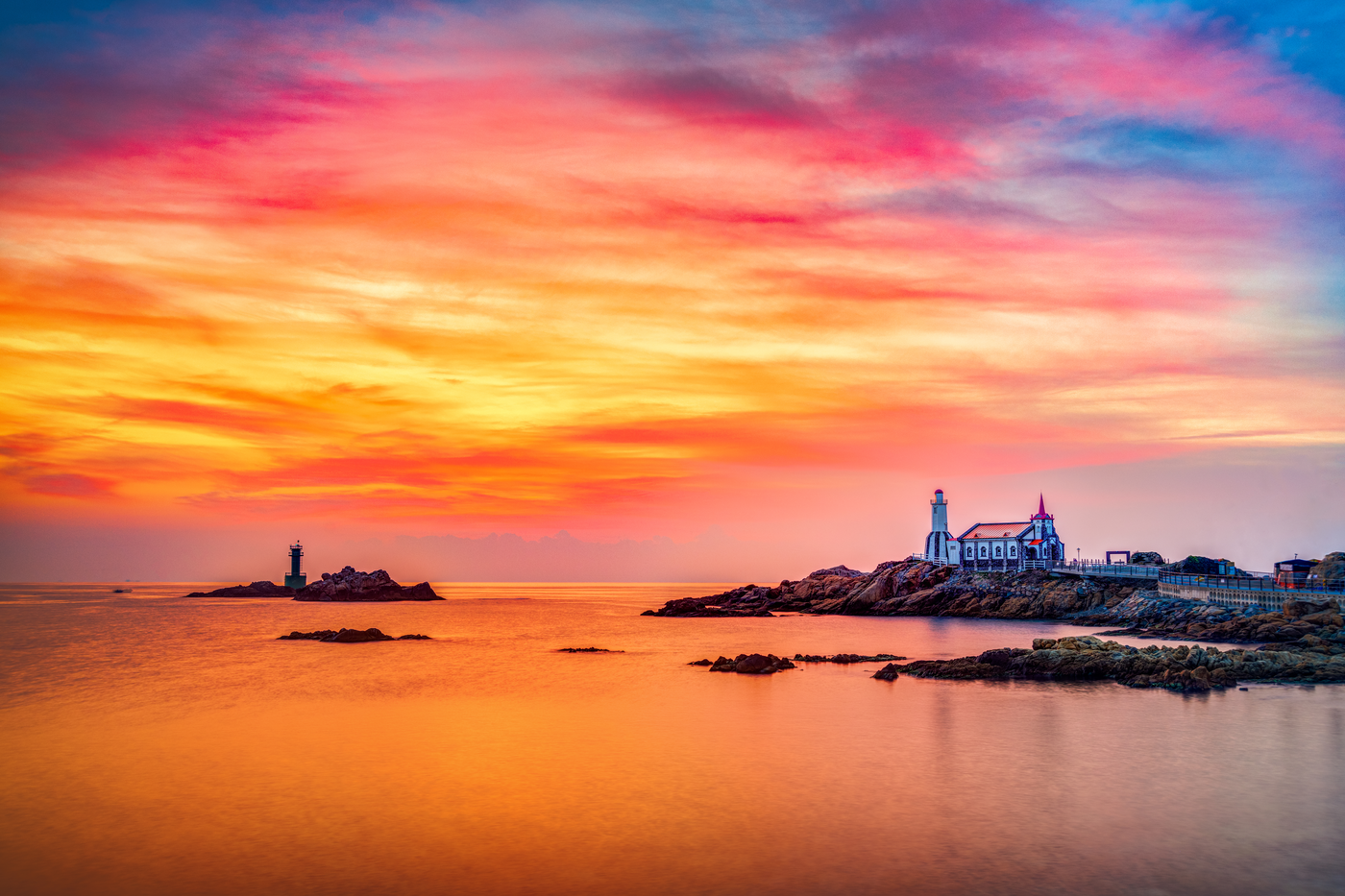
Busan Coast
Three walks, one city by the sea.
Not the resort skyline. The coastline that came before it. Eighteen pages on three walks — Gijang's fishing coast, Igidae into Oryukdo Sunrise Park (where the Haeparang and Namparang trails begin), and Yeongdo old town. Plus pork-bone broth, cold noodles, and the bridge at dusk.
Read Issue 07 →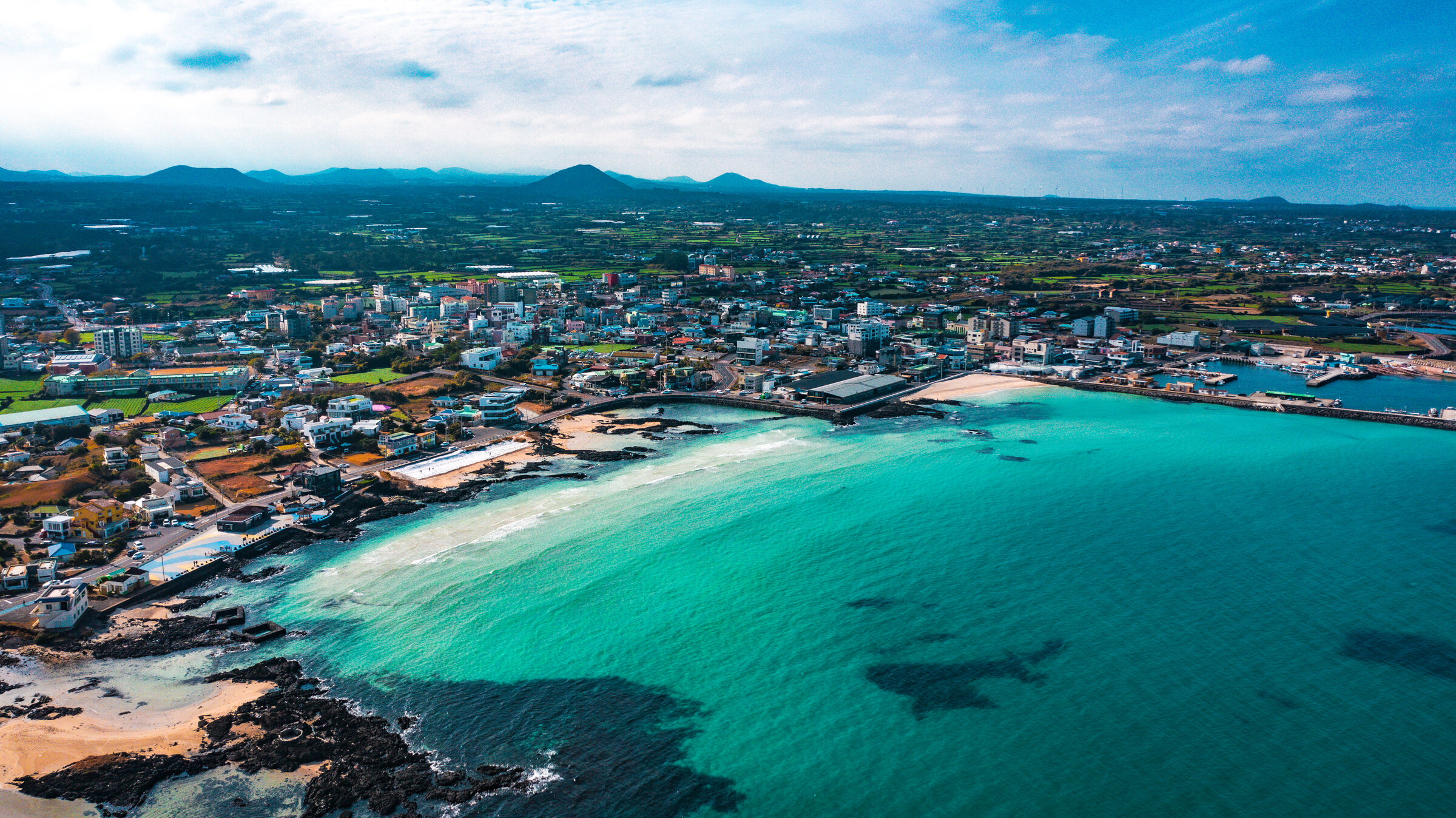
Jeju in September
The island's one true walking month.
Peak-season Jeju is a queue at Seongsan. Winter Jeju is wind. September is the month locals reclaim — mid-20s, empty coast, Hallasan's first foliage. A four-day sequence: eastern Olle routes 01, 02, 21, and a Hallasan Yeongsil day at 1,700 m. Departure from our usual flipbook format — this one reads as a continuous long-scroll web feature.
Read Issue 08 →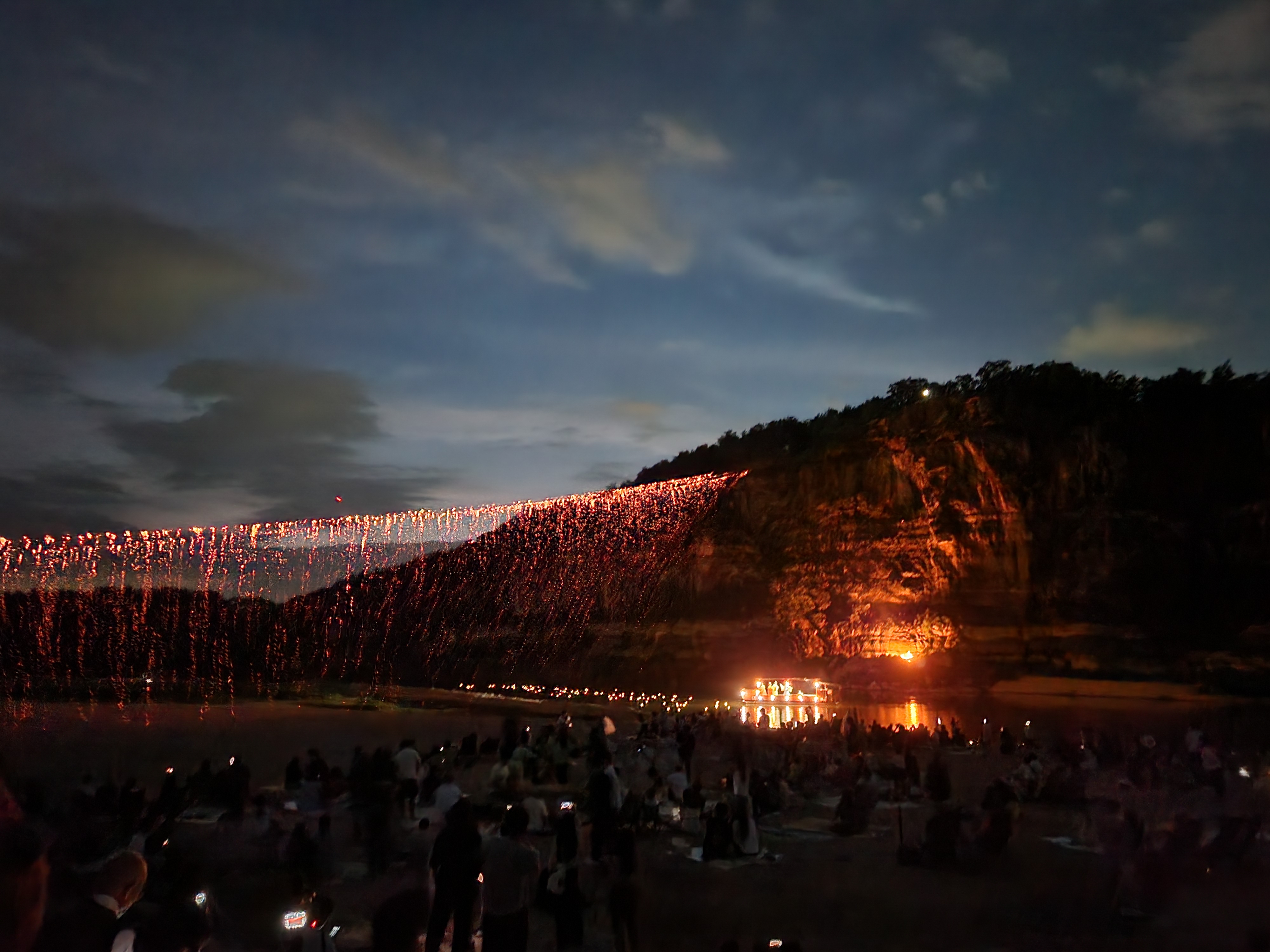
Andong — the Confucian Highlands
A fire on the river, a ridge, a village.
Most travellers arrive in Andong on a bus and leave in two hours. This issue opens with Hahoe Seonyu Jul-bulnori — the UNESCO fire-rope festival across the Nakdong — then walks the county slowly: the Hwasan ridge from Hahoe to Byeongsan Seowon on foot, the maple approach at Dosan Seowon, and the cloister loop at Bongjeongsa (holding Korea's oldest wooden building). Two nights in a hanok. Late-October foliage that peaks a week after Seoraksan.
Read Issue 09 →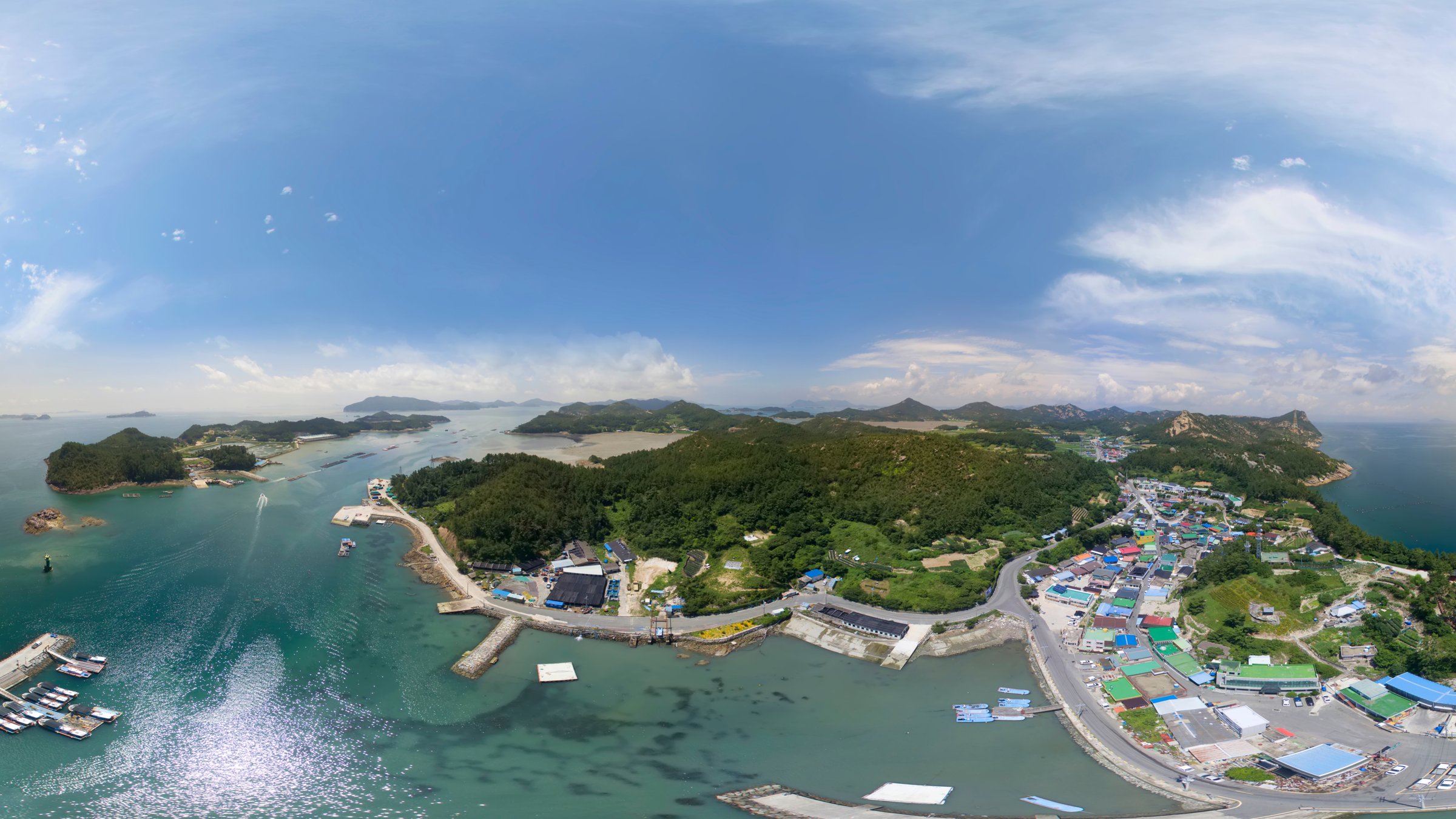
Geumdang — the Island You Reach from Nokdong
A first boat, eight rocks, ten li of sand.
Geumdang-do belongs to Wando County, but you get there from Goheung. One night in Nokdong over a pot of hamo, the first boat out, the 10.9 km Palgyeong-gil on foot and a boat around the island's Eight Views — then across to Sinji-do for sunset on Myeongsasimni beach.
Read Issue 10 →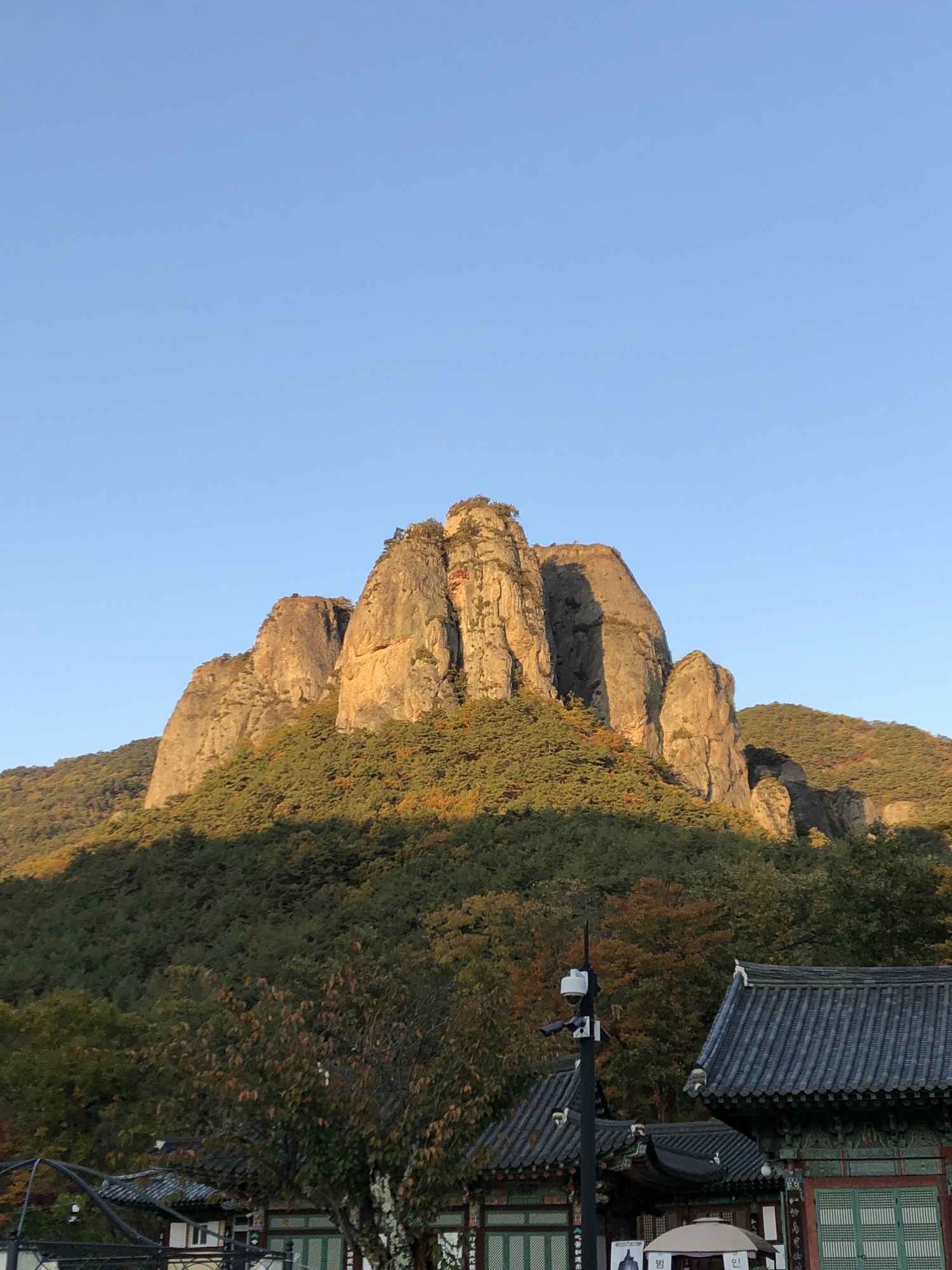
Cheongsong — Juwangsan & Jusanji
A ridge loop, three waterfalls, one old reservoir.
Juwangsan is only 720 metres high, but its cliffs of welded volcanic ash make it one of Korea's most loved parks. The Jubong ridge loop — up to the summit for the colour from above, down past Hurimegi junction through the waterfalls — then Jusanji — a reservoir built in 1721, with willows standing in the water — at first light. Late October into early November.
Read Issue 11 →